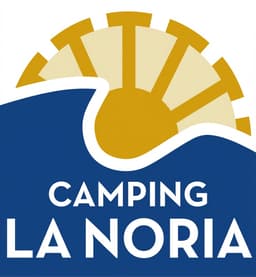
Built in 1995 on the historic Racó de l'Art — the stretch of coast where generations of Torredembarra fishermen had long practised their traditional drag-net fishing — Port de Torredembarra has grown into one of the Costa Dorada's most dynamic nautical destinations, combining a modern sports marina, a working fishing harbour and a rich calendar of regattas and maritime activities throughout the year.
Today the port is one of the newest and most modern marinas on the Catalan coast, with 695 moorings accommodating boats from 6 to 28 metres. Its 7,000 m² professional dry dock, equipped with a 50-tonne gantry crane and a 5-tonne static crane, is among the largest in the region. For visitors arriving by land rather than sea, the port's 4,000 m² commercial area — with waterfront restaurants, cafés and ice-cream parlours — is open year-round and makes a pleasant destination for an evening stroll or a leisurely lunch watching the boats come and go.
The fishing heritage is preserved through the Confraria de Pescadors de Torredembarra (Fishermen's Guild), which is headquartered at the port. Five quays totalling 410 metres serve the remaining artisanal fleet — a handful of boats that still head out at dawn, continuing a centuries-old fishing tradition. The port's fish market (llotja) remains active — the 2023 catch totalled 32,652 kg.
The port's most remarkable feature is the Biotop — the world's largest artificial reef made of natural stone. Standing 22 metres tall and spanning an area equivalent to a football pitch, this underwater mountain of 40,000 tonnes of 25-million-year-old limestone took 15 years to develop. Designated a no-fishing zone, the Biotop has become a thriving marine ecosystem: over 250 native species were identified in its first year, including 11 threatened and 9 protected species. Moon fish (Mola mola) — the world's largest bony fish — regularly visit as a cleaning station, and gorgonians, corals and nudibranchs have established naturally. The reef is accessible for scuba diving, freediving and snorkelling through authorised operators based in the port.
The Biotop is complemented by the Puertos de Vida (Ports of Life) initiative, developed with the NAR (Natural Art Reefs) association, which has replaced conventional moorings with ecological anchorages using biotope structures that serve as nurseries for fish fry. The port is recognised as Spain's first sports marina with a natural-space regeneration project.
Beyond ecology, the port is an active hub for maritime culture. The Roca Foradada Regatta, held annually in late June, is one of the Costa Dorada's signature sailing events. The Liga de Cruceros runs regular races through the season. Traditional maritime heritage is celebrated through courses and gatherings of Vela Llatina (Latin sailing) — the lateen-rigged boats that once defined Mediterranean trade — organised by the Orsapop Association. The Associació de Vogadors de Torredembarra preserves traditional rowing, and the Gussiaires de Baix a Mar maintain a fleet of 14 traditional boats and 2 Latin-sail vessels. In summer, the Roca Foradada Festival brings live music and culture to the waterfront.
Activity2km
Camping Near Port de Torredembarra
Port de Torredembarra is a dual-purpose sports marina and fishing port just 2 km from Camping La Noria. With 695 berths, an active fish market (llotja), the world's largest natural-stone artificial reef and a year-round programme of regattas, festivals and nautical courses, the port is far more than a place to park boats — it is one of the liveliest destinations on the Costa Dorada coast.
Why Visit Port de Torredembarra
Port de Torredembarra combines a working fishing harbour with a modern marina, groundbreaking marine conservation and a lively events calendar — all within a 20-minute walk of the campsite. Whether you come to dive the Biotop, watch the fishing boats return, eat fresh seafood by the water or join a regatta, the port offers something most marinas cannot: genuine maritime character alongside cutting-edge ecological restoration.
How to Get There
From Camping La Noria, walk along the seafront promenade toward Torredembarra for about 20 minutes (2 km). By bike, the ride takes 5 minutes. By car, there is parking at the port. The port sits between Platja de la Paella and the El Roquer cliffs, beneath the Torredembarra lighthouse.
Walk along promenade (20 min) or bike (5 min)
Best Time to Visit
The port is active year-round. The Roca Foradada Regatta takes place in late June. Diving conditions at the Biotop are best from May to October, with warmest water in July–September. The commercial area's restaurants and cafés are open throughout the year, making the port a pleasant winter walk as well. Fishing boats typically return in the late morning.
Tips
- Walk along the port's outer breakwater for views of the lighthouse and the El Roquer cliffs — especially atmospheric at sunset.
- If you want to dive the Biotop, book ahead in summer through one of the three authorised diving centres based at the port.
- The waterfront restaurants serve fresh seafood year-round — look for the daily catch rather than the fixed menu.
- Check the port's Instagram or events page for upcoming regattas and Vela Llatina gatherings — spectators are welcome.
Frequently Asked Questions
How far is Port de Torredembarra from Camping La Noria?
The port is about 2 km from Camping La Noria — roughly 20 minutes on foot along the promenade, 5 minutes by bike, or 3 minutes by car. There is parking at the port.
Can I visit Port de Torredembarra without a boat?
Absolutely. The port's commercial area with restaurants, cafés and shops is open year-round to everyone. You can walk the breakwater, watch the fishing boats, browse the events calendar, or book a dive or boat trip through the operators based at the port.
What is the Biotop at Port de Torredembarra?
The Biotop is the world's largest artificial reef made of natural stone — a 22-metre-tall, 40,000-tonne underwater structure built from ancient limestone to restore marine biodiversity. Over 250 species have colonised it, including the moon fish (Mola mola). It is accessible for diving, freediving and snorkelling through authorised centres at the port.
Explore More Nearby
 2km
2kmActivity
Water Sports in Torredembarra
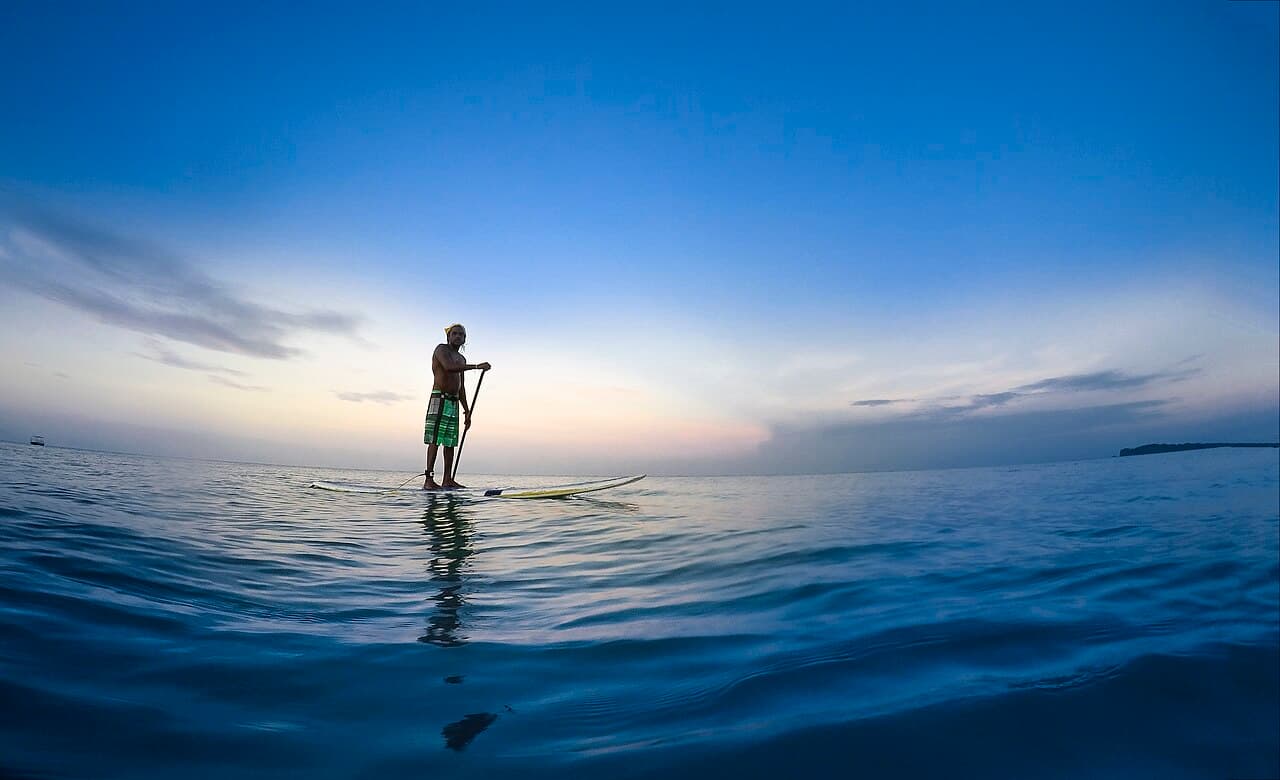
Port Torredembarra lies about 2 kilometres from Camping La Noria on a lively stretch of Costa Dorada coast. Depending on the season and what local providers offer, you can try scuba diving and snorkelling, join guided jet-ski trips along the shore, rent kayaks or stand-up paddleboards, or get out sailing when conditions suit.
 © Jorge Franganillo1km
Town
Torredembarra
Torredembarra is not just near the campsite — it is the campsite's home town. This compact seafaring village on the Costa Dorada coast combines a genuine Catalan identity with all the amenities a camping family needs, from a daily fish market to summer festivals that light up the night sky.
 1.5km
1.5kmBeach
Platja de la Paella Beach
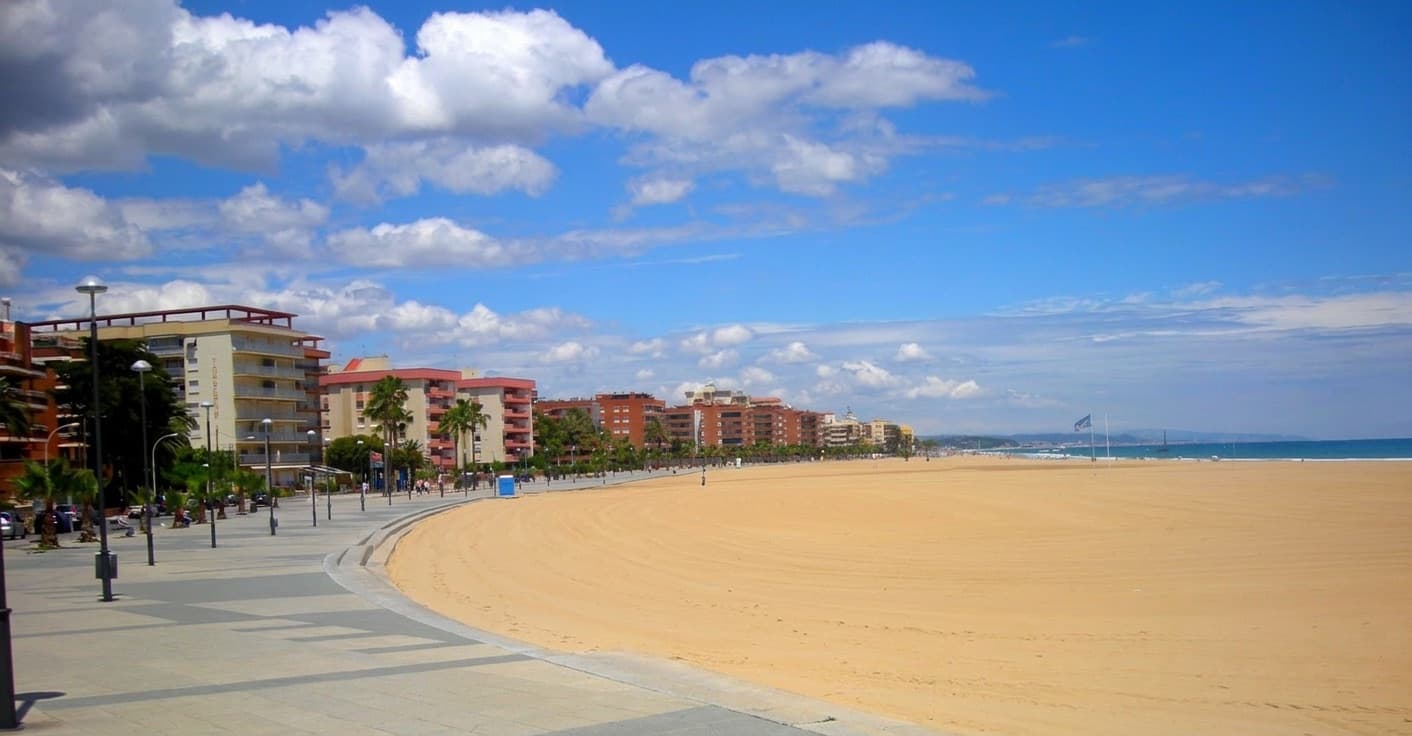
Platja de la Paella is Torredembarra's main urban beach, a wide sweep of golden sand just 1.5 kilometres from Camping La Noria. With Blue Flag status, full amenities and a lively promenade lined with bars and restaurants, it is the perfect everyday beach for a camping holiday on the Costa Dorada.